 The culture and heritage
of Bangladesh have a long tradition in the social,economic and above all
national context. They rep resent the bond that touches every heart of its
peaple. Among the local and national festivities, Pahela Baishakh curves out
its idiosyncratic sketch in the lives of the people of the country. In other
words, Pahela Baishakh every year adds new colour, taste, fervour and
inspiration to lead our life with renewed spirit. However, it is noticeable
that Pahela Baishakh is observed in Bangladesh which much more enthusiasm than
any other national festival. Truly, it is a festival of the people from all
works of life . People of different religions, caste, culture, age, and
political belief welcome the new day of the first month of Bangla year. Wearing
new dresses and having panta -Ilish, a traditional food of the country,are the
age old traditions of the day. To make the day memorable as well as delightfull
, different social and cultural organisations feature various colourful events
like Baishakhi Mela, cultural sessions and morning ralties, of them, Baishakhi
Mela is the embodiment of a social as well as cultural throng where
differenttypes of local and national traditional programmes like puppet show,
nagordola etc are displayed. Besides, Pahela Baishakh to the common people
comes with a different kind of significance. the epitomises the strong unity,
warm brotherhood and above all a patriotic sence of love for their own culture
and heritage. It is often argued that the young minds are now more inclined
towards the westurn culture through the aggression of satellite culture,
virtual web etc, and that they are showing alack of interest in their own
culture, tradition and heritage. But such notions do not often tell the whole
truth. Those who raise these objections are perhaps not familiar with the
festive mood of the national festivals, celebrated earnestly by the young
generation.
The culture and heritage
of Bangladesh have a long tradition in the social,economic and above all
national context. They rep resent the bond that touches every heart of its
peaple. Among the local and national festivities, Pahela Baishakh curves out
its idiosyncratic sketch in the lives of the people of the country. In other
words, Pahela Baishakh every year adds new colour, taste, fervour and
inspiration to lead our life with renewed spirit. However, it is noticeable
that Pahela Baishakh is observed in Bangladesh which much more enthusiasm than
any other national festival. Truly, it is a festival of the people from all
works of life . People of different religions, caste, culture, age, and
political belief welcome the new day of the first month of Bangla year. Wearing
new dresses and having panta -Ilish, a traditional food of the country,are the
age old traditions of the day. To make the day memorable as well as delightfull
, different social and cultural organisations feature various colourful events
like Baishakhi Mela, cultural sessions and morning ralties, of them, Baishakhi
Mela is the embodiment of a social as well as cultural throng where
differenttypes of local and national traditional programmes like puppet show,
nagordola etc are displayed. Besides, Pahela Baishakh to the common people
comes with a different kind of significance. the epitomises the strong unity,
warm brotherhood and above all a patriotic sence of love for their own culture
and heritage. It is often argued that the young minds are now more inclined
towards the westurn culture through the aggression of satellite culture,
virtual web etc, and that they are showing alack of interest in their own
culture, tradition and heritage. But such notions do not often tell the whole
truth. Those who raise these objections are perhaps not familiar with the
festive mood of the national festivals, celebrated earnestly by the young
generation.
 Paanta bhaat, illish maach
bhaja and all kinds of bhorta, beautiful Rabindra
Sangeet all around, nagordola, red bangles and tip everywhere you go-there is
so much and more to expect from this beautiful day we call Pahela Baishakh that
has become a reflection of our tradition and culture. Starting from the road
side cotton candles to phutchka stalls, from mehendi applying to face/hand
painting stalls, everything reflects how joyous and youthful our age-old
tradition is. A traditional taat sari with red and golden zari border.This sari
typically highlights our Baishakhi tradition of wearing red and white on the
first day of Bangla New Year. To complement the traditional Bengali look we
have used traditional silver jewellery and luscious red lipsticks to add to the
festive look. The culture and heritage of Bangladesh have a long
tradition in the social,economic and above all national context. They represent
the bond that touches every heart of its peaple. Among the local and national
festivities, Pahela Baishakh curves out its idiosyncratic sketch in the lives
of the people of the country. In other words, Pahela Baishakh every year adds
new colour, taste, fervour and inspiration to lead our life with renewed
spirit. However, it is noticeable that Pahela Baishakh is observed in
Bangladesh which much more enthusiasm than any other national festival. Truly,
it is a festival of the people from all works of life . People of different
religions, caste, culture, age, and political belief welcome the new day of the
first month of Bangla year.Paanta bhaat, illish maach bhaja and all kinds of
bhorta, beautiful Rabindra Sangeet all around, nagordola, red bangles and tip
everywhere you go-there is so much and more to expect from this beautiful day
we call Pahela Baishakh that has become a reflection of our tradition and
culture. Wearing new dresses and having panta -Ilish, a traditional food
of the country,are the age old traditions of the day. To make the day memorable
as well as delightfull , different social and cultural organisations feature
various colourful events like Baishakhi Mela, cultural sessions and morning
ralties, of them, Baishakhi Mela is the embodiment of a social as well as
cultural throng where differenttypes of local and national traditional
programmes like puppet show, nagordola etc are displayed. Besides, Pahela
Baishakh to the common people comes with a different kind of significance. the
epitomises the strong unity, warm brotherhood and above all a patriotic sence
of love for their own culture and heritage. It is often argued that the young
minds are now more inclined towards the westurn culture through the aggression
of satellite culture, virtual web etc, and that they are showing alack of
interest in their own culture, tradition and heritage. But such notions do not
often tell the whole truth. Those who raise these objections are perhaps not
familiar with the festive mood of the national festivals, celebrated earnestly
by the young generation.
Paanta bhaat, illish maach
bhaja and all kinds of bhorta, beautiful Rabindra
Sangeet all around, nagordola, red bangles and tip everywhere you go-there is
so much and more to expect from this beautiful day we call Pahela Baishakh that
has become a reflection of our tradition and culture. Starting from the road
side cotton candles to phutchka stalls, from mehendi applying to face/hand
painting stalls, everything reflects how joyous and youthful our age-old
tradition is. A traditional taat sari with red and golden zari border.This sari
typically highlights our Baishakhi tradition of wearing red and white on the
first day of Bangla New Year. To complement the traditional Bengali look we
have used traditional silver jewellery and luscious red lipsticks to add to the
festive look. The culture and heritage of Bangladesh have a long
tradition in the social,economic and above all national context. They represent
the bond that touches every heart of its peaple. Among the local and national
festivities, Pahela Baishakh curves out its idiosyncratic sketch in the lives
of the people of the country. In other words, Pahela Baishakh every year adds
new colour, taste, fervour and inspiration to lead our life with renewed
spirit. However, it is noticeable that Pahela Baishakh is observed in
Bangladesh which much more enthusiasm than any other national festival. Truly,
it is a festival of the people from all works of life . People of different
religions, caste, culture, age, and political belief welcome the new day of the
first month of Bangla year.Paanta bhaat, illish maach bhaja and all kinds of
bhorta, beautiful Rabindra Sangeet all around, nagordola, red bangles and tip
everywhere you go-there is so much and more to expect from this beautiful day
we call Pahela Baishakh that has become a reflection of our tradition and
culture. Wearing new dresses and having panta -Ilish, a traditional food
of the country,are the age old traditions of the day. To make the day memorable
as well as delightfull , different social and cultural organisations feature
various colourful events like Baishakhi Mela, cultural sessions and morning
ralties, of them, Baishakhi Mela is the embodiment of a social as well as
cultural throng where differenttypes of local and national traditional
programmes like puppet show, nagordola etc are displayed. Besides, Pahela
Baishakh to the common people comes with a different kind of significance. the
epitomises the strong unity, warm brotherhood and above all a patriotic sence
of love for their own culture and heritage. It is often argued that the young
minds are now more inclined towards the westurn culture through the aggression
of satellite culture, virtual web etc, and that they are showing alack of
interest in their own culture, tradition and heritage. But such notions do not
often tell the whole truth. Those who raise these objections are perhaps not
familiar with the festive mood of the national festivals, celebrated earnestly
by the young generation.
NATIONAL
DAY OF MOURNING OR MARTYRS' DAY (LANGUAGE MOVEMENT, FEBRUARY 21)
 21 February( 8 Falgun in the Bengali calendar) was International Mother Language Day (Martyrs' Day was proclaimed the International Mother Language Day by UNESCO on 17 November 1999. Its ceremony was also formally recognized by the United Nations General Assembly in its resolution establishing 2008 as the International Year of Languages.
International Mother Language Day originated as the international recognition of Language Movement Day, which has been commemorated in Bangladesh (formerly East Pakistan) since 1952, when a number of Dhaka university students were killed by the Pakistani police and army in Dhaka during the Bengali Language Movement. International Mother Language Day is observed yearly by UNESCO member states and at its headquarters to promote linguistic and cultural diversity and multilingualism. On 21 March 1948, Mohammed Ali Jinnah, the Governor General of Pakistan, declared that Urdu would be the only official language for both West and East Pakistan. The people of East Pakistan (now Bangladesh), whose main language is Bengali, started to protest against this. On 21 February 1952, (8 Falgun 1359 in the Bengali calendar), students in the present day capital city of Dhaka called for a provincial strike. The government invoked a limited curfew to prevent this and the protests were tamed down so as to not break the curfew. The Pakistani police fired on the students despite these peaceful protests and a number of students were killed.
VICTORY DAY
 .We are Bangladeshi. Bangladesh get great victory against Pakistan at 1971, 16 December. This day is our national victory day. We are proud our freedom fighter who brave ware against our enemy and give there valuable life for our country.Pakistany Army and Razakar killed our many many people. Its a pathetic tragedy for our nation.We are remember every time. Whole Bangladeshi People take salam and suvessa for our Happy Victory Day. Salam Salam Hazaro Salam lakho sohider sorone…………………………………………………..
JANMASHTMI
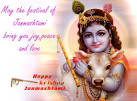 Bangladesh today the Hindus all over the world are celebrating Janmashtami amid festivity and religious fervour. According to legend, Janmashtami is celebrated to mark the birth of Lord Krishna, an avatar of Lord Vishnu. Janmashtmi is celebrated on the eighth day of the second fortnight in the month of Sraban every year. Though the celebrations of the festival differ a little in terms of rituals and traditions from place to place, the overall environment of the celebration of Janmashtami every where is full of zeal and enthusiasm. On the occasion, the devotees offer worship, sing hymns to Krishna, say special prayers, and arrange drama, discussion and cultural events at different temples in the country. It is the tradition of our country that its people, irrespective of caste and creed, honour the rituals of every religion. In few countries in the world all the days of major religious festivals are government-declared holidays. In Bangladesh, people enjoy holidays on all the occasions. This is a glaring example of religious harmony prevailing in the country, which we can really be proud of.
MADHU PURNIMA
 Bangladeshi Buddhist devotees light candles at Nandakanon temple, Chittagong.The Buddhist community celebrated one of their significant festivals Madhu Punrima in the port city and elsewhere in the district in traditional enthusiasm and solemn devotion.Madhu Purnima is celebrated as a joyous day of unity and charity. Bangladeshi Buddhists observe it by bringing gifts of honey and fruit to monasteries.Madhu Purnima, one of the sacred festivals of Buddhist is celebrated on the day of the full moon in Bhadra (August/September), in commemoration of the service and support rendered by the animals to Gautam Buddha.
Dyed in Colours of Tradition
 RUPGANJ, an upazila of Narayanganj, is famous for its boutique prints and handmade cloth. A community of experienced and skilled weavers dye and print cloth by using traditional methods and local technology and send their products out to markets across the country. They work throughout the year but demand for their products soars ahead of Eid of any other festival. A worker in Rupganj is drying the dyed cloth. At least fifty percent of the population of Rupganj is involved in this work. Each of their items sells at any where between $300 and $3,000
 The culture and heritage
of Bangladesh have a long tradition in the social,economic and above all
national context. They rep resent the bond that touches every heart of its
peaple. Among the local and national festivities, Pahela Baishakh curves out
its idiosyncratic sketch in the lives of the people of the country. In other
words, Pahela Baishakh every year adds new colour, taste, fervour and
inspiration to lead our life with renewed spirit. However, it is noticeable
that Pahela Baishakh is observed in Bangladesh which much more enthusiasm than
any other national festival. Truly, it is a festival of the people from all
works of life . People of different religions, caste, culture, age, and
political belief welcome the new day of the first month of Bangla year. Wearing
new dresses and having panta -Ilish, a traditional food of the country,are the
age old traditions of the day. To make the day memorable as well as delightfull
, different social and cultural organisations feature various colourful events
like Baishakhi Mela, cultural sessions and morning ralties, of them, Baishakhi
Mela is the embodiment of a social as well as cultural throng where
differenttypes of local and national traditional programmes like puppet show,
nagordola etc are displayed. Besides, Pahela Baishakh to the common people
comes with a different kind of significance. the epitomises the strong unity,
warm brotherhood and above all a patriotic sence of love for their own culture
and heritage. It is often argued that the young minds are now more inclined
towards the westurn culture through the aggression of satellite culture,
virtual web etc, and that they are showing alack of interest in their own
culture, tradition and heritage. But such notions do not often tell the whole
truth. Those who raise these objections are perhaps not familiar with the
festive mood of the national festivals, celebrated earnestly by the young
generation.
The culture and heritage
of Bangladesh have a long tradition in the social,economic and above all
national context. They rep resent the bond that touches every heart of its
peaple. Among the local and national festivities, Pahela Baishakh curves out
its idiosyncratic sketch in the lives of the people of the country. In other
words, Pahela Baishakh every year adds new colour, taste, fervour and
inspiration to lead our life with renewed spirit. However, it is noticeable
that Pahela Baishakh is observed in Bangladesh which much more enthusiasm than
any other national festival. Truly, it is a festival of the people from all
works of life . People of different religions, caste, culture, age, and
political belief welcome the new day of the first month of Bangla year. Wearing
new dresses and having panta -Ilish, a traditional food of the country,are the
age old traditions of the day. To make the day memorable as well as delightfull
, different social and cultural organisations feature various colourful events
like Baishakhi Mela, cultural sessions and morning ralties, of them, Baishakhi
Mela is the embodiment of a social as well as cultural throng where
differenttypes of local and national traditional programmes like puppet show,
nagordola etc are displayed. Besides, Pahela Baishakh to the common people
comes with a different kind of significance. the epitomises the strong unity,
warm brotherhood and above all a patriotic sence of love for their own culture
and heritage. It is often argued that the young minds are now more inclined
towards the westurn culture through the aggression of satellite culture,
virtual web etc, and that they are showing alack of interest in their own
culture, tradition and heritage. But such notions do not often tell the whole
truth. Those who raise these objections are perhaps not familiar with the
festive mood of the national festivals, celebrated earnestly by the young
generation.


No comments:
Post a Comment